



DOGWF Community of Practice Highlights Clean Energy Innovation and Workforce Opportunities
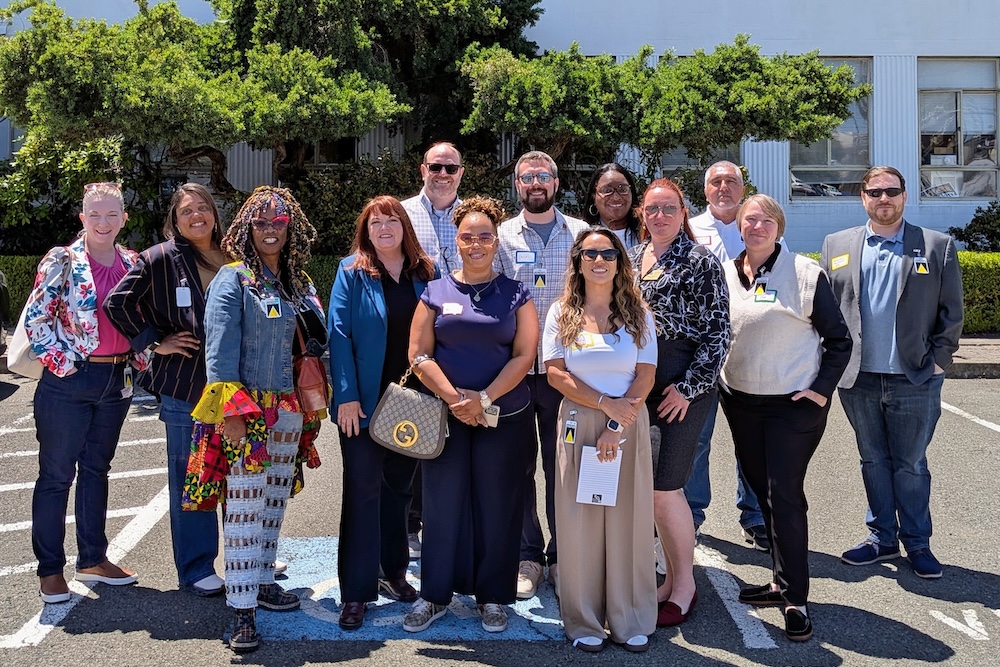
On May 12, the Workforce Development Board of Contra Costa County (WDBCCC) participated in the DOGWF Grant Community of Practice session hosted at the Phillips 66 Rodeo Renewable Energy Complex in Rodeo, California. The session brought together grantees, workforce partners, and industry representatives to collaborate on grant implementation strategies, discuss shared workforce challenges, and explore future opportunities for regional partnership and innovation.
WDBCCC extends a special thank you to David Schoenthal, Sr. Special Projects Administrator at Phillips 66 Rodeo Renewable Energy Complex, for hosting the event and providing an in-depth presentation and guided tour of the facility. Participants had the opportunity to visit newly developed areas of the complex and learn firsthand about the site’s transformation into a leading renewable fuels facility.
The tour highlighted the remarkable evolution of the Rodeo facility, which has operated in the Bay Area since 1896. Originally part of the petroleum fuels era, the site has transitioned into a modern renewable energy complex producing renewable diesel and Sustainable Aviation Fuel (SAF). Today, the facility processes approximately 52,000 barrels per day of renewable feedstocks and produces nearly 800 million gallons of renewable fuel annually.
Attendees learned how the Rodeo Renewable Energy Complex is helping drive California’s clean energy future through:
- Renewable diesel and Sustainable Aviation Fuel (SAF) production
- Significant reductions in greenhouse gas emissions
- Reduced local air emissions and water usage
- Renewable hydrogen and solar energy integration
- Investments in family-sustaining union jobs and workforce development
The presentation also showcased the Phillips 66 Rodeo Solar Facility, developed in partnership with NextEra Energy Resources. The 30.2-megawatt solar facility is capable of generating enough electricity to reduce grid power purchases by 50% while supporting the renewable operations of the Rodeo complex.
In addition to the facility tour, participants discussed how workforce systems, educational institutions, labor organizations, and industry can collaborate to build career pathways that support the growing clean energy economy. Career opportunities highlighted during the visit included engineering, instrumentation, laboratory sciences, electrical and mechanical trades, operations, IT, maintenance, and skilled construction trades.
The Community of Practice also opened conversations around future collaboration opportunities between WDBCCC, Phillips 66, educational institutions, labor partners, and regional workforce organizations. Potential areas for partnership include:
- Clean energy workforce training programs
- Apprenticeship and pre-apprenticeship pathways
- Industry tours and career exposure opportunities
- Internship and work-based learning initiatives
- Recruitment and outreach to underserved communities
- Regional strategies supporting Sustainable Aviation Fuel and renewable energy careers
The visit demonstrated how industry transformation can support both environmental sustainability and economic opportunity by preserving high-quality careers while advancing innovation in renewable energy production.
WDBCCC appreciates the opportunity to participate in this important regional learning session and looks forward to continued collaboration with partners committed to building an equitable and future-ready workforce for Contra Costa County and the Bay Area.